-c8d5905d.png)
Why is Ha Giang Motoventures most loved & chosen?
Why do so many guests say it’s worth every penny!
12/16/2025 · 2 min read
View more
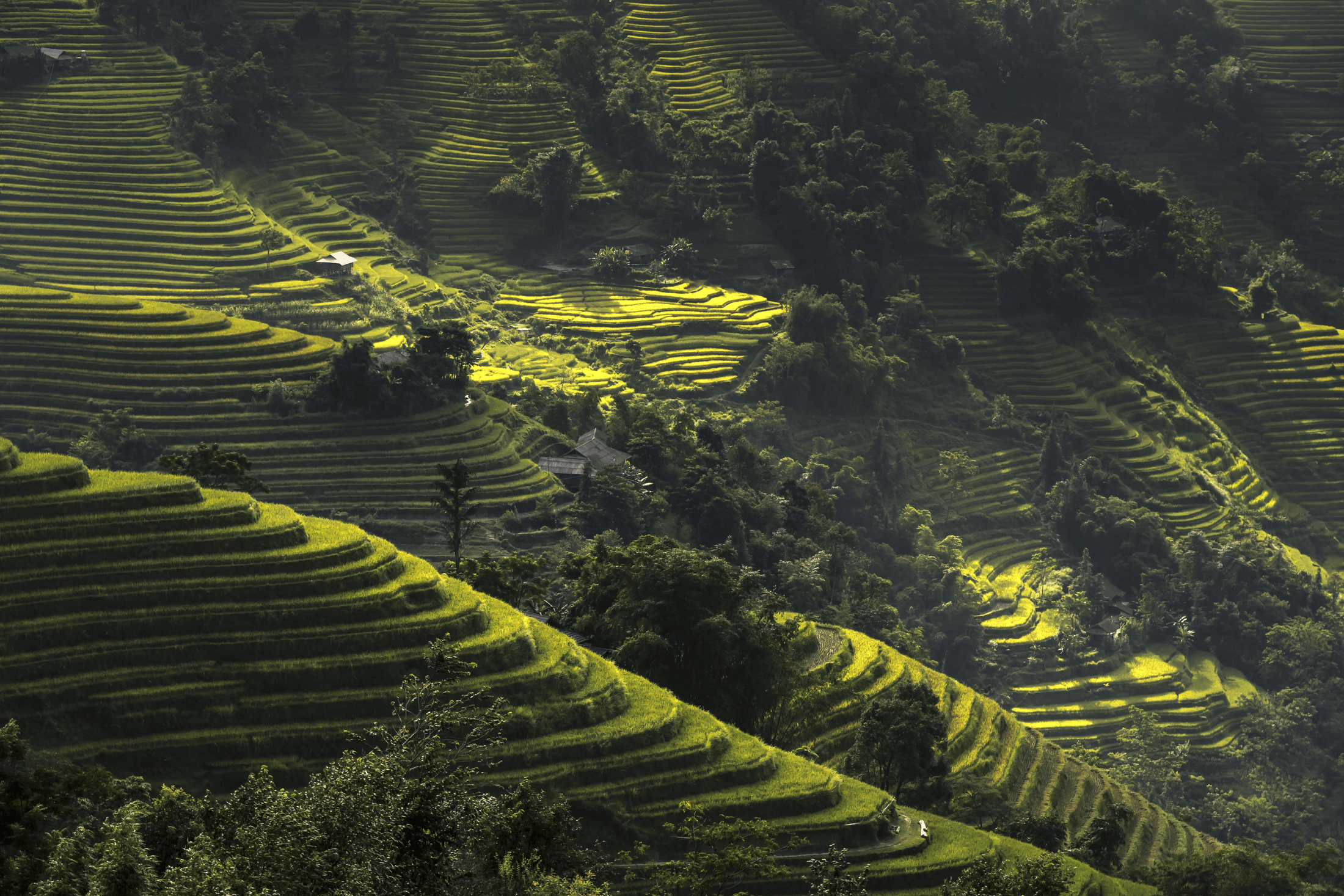
Traveling to Ha Giang means being surrounded by towering karst mountains, winding roads, and hillsides covered in wildflowers, especially the iconic buckwheat blossoms that paint the valleys in soft shades of pink and white. Beyond the scenery, visitors have the rare opportunity to connect with ethnic communities such as the Tay, Dao, H’Mong, Lo Lo, and Giay, gaining insight into their daily lives, traditional houses, farming methods, and vibrant cultural dress. With so many remarkable places to explore, Ha Giang offers far more than one could see in a single trip. Below are some of the must-visit destinations that truly define a journey through this extraordinary region.
Just a short ride from Ha Giang City, Quan Ba Valley welcomes you with one of the region’s most iconic viewpoints.Sitting at around 1,500 meters above sea level, and the famous Quan Ba Twin Mountains resting quietly below.
Standing at Heaven Gate, I was completely overwhelmed. From this height, a Red Dao village appeared tiny beneath layers of rolling mountains, while clouds drifted lazily below eye level. The road curled through the landscape like a ribbon, disappearing and reappearing between peaks. Breathing in the crisp mountain air, I finally understood why locals call this place “Heaven Gate”, a point where earth and sky seem to touch. It’s the kind of view that makes you stop, sit down, and forget about time.
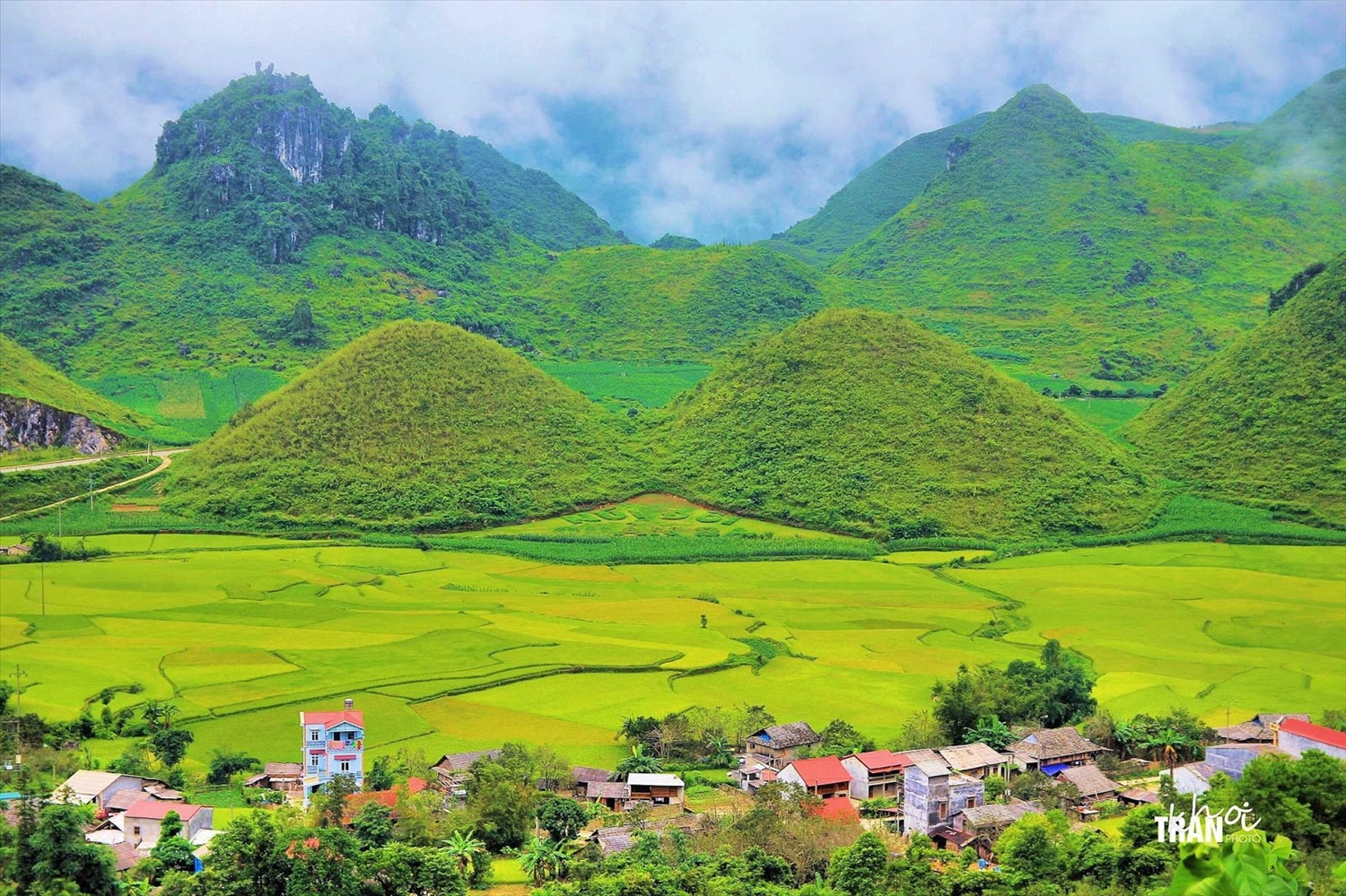
Descending from Heaven Gate, the road twisted sharply through steep slopes until we reached the viewpoint for the Quan Ba Twin Mountains. After a short climb uphill, the scene opened up: two perfectly rounded green hills rising gently from vast rice fields. Their symmetry feels almost unreal, something rarely seen anywhere else in Vietnam.
Local legend says these twin hills were once the breasts of a fairy who fell in love with a man on Earth. Forced to return to Heaven, she left them behind to nourish her child. Whether you believe the story or not, standing there, surrounded by silence and soft green landscapes, it’s easy to feel the magic that makes Quan Ba Valley unforgettable.
Nestled in the heart of the Ha Giang Karst Plateau, Dong Van Ancient Town feels like a quiet step back in time. Established in the early 20th century, the town was first home to a small number of Tay, Chinese, and H’Mong families. Over the decades, Kinh, Dao, and Nung communities settled here, shaping the multicultural soul that defines Dong Van today.
The old town is made up of around 40 houses more than 100 years old, built with thick stone walls, wooden beams, and traditional U-shaped layouts that once formed a lively trading hub. On weekends, the atmosphere changes completely. The market comes alive with folk songs, traditional dances, and the sound of laughter as people from nearby villages gather to meet, trade, and celebrate.
As night falls, Dong Van transforms into something truly magical. Red lanterns glow softly above narrow streets, illuminating stalls selling brocade, handmade crafts, and local specialties. Locals and travelers sit together enjoying thắng cố, sipping corn wine, chatting, and sharing stories. It’s not staged, it’s simply life unfolding as it has for generations.
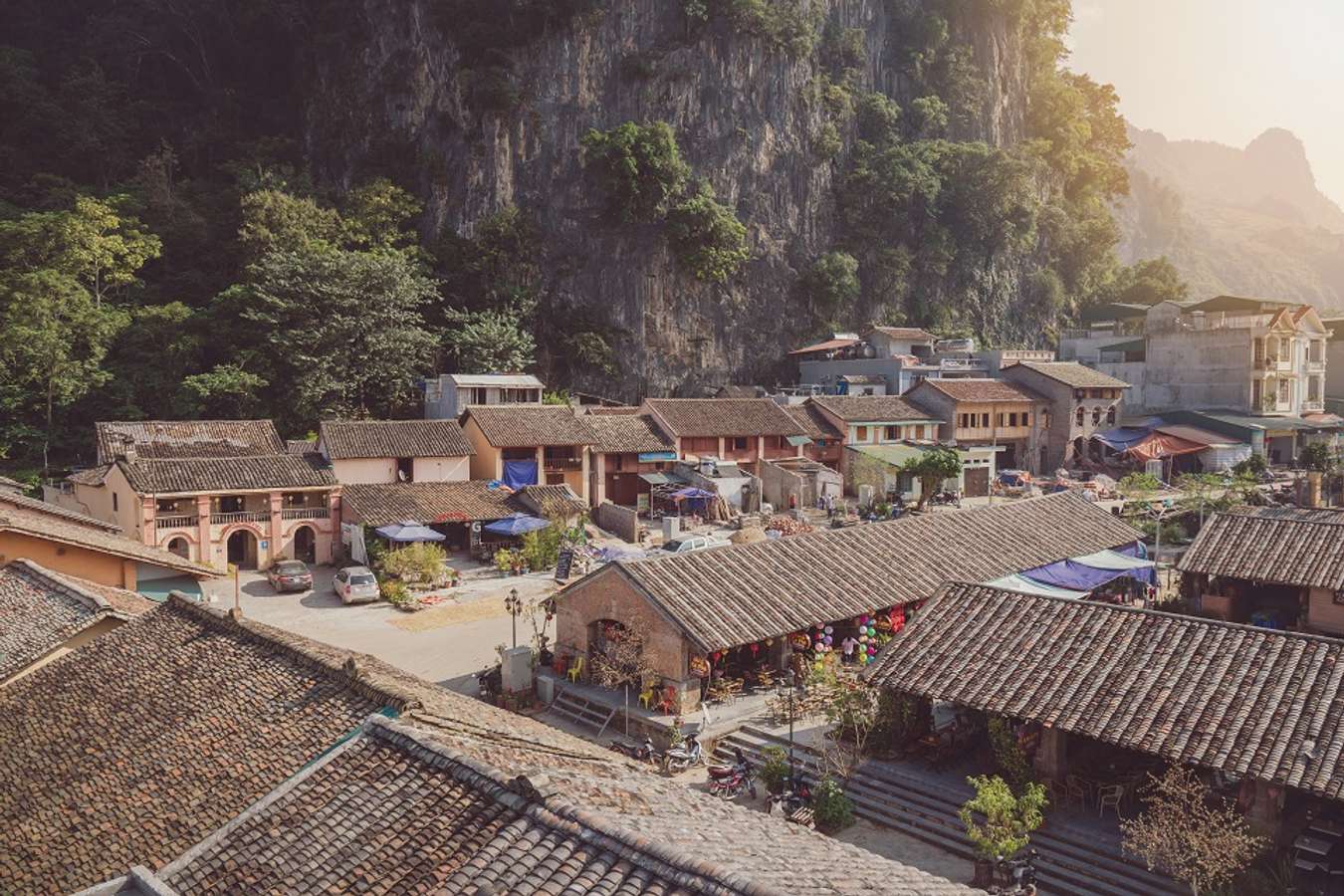
Dong Van Market has always been more than a place for buying and selling. Dressed in vibrant traditional costumes, H’Mong, Pu Peo, and Lo Lo people come not only to trade goods, but to socialize, make friends, and keep traditions alive. The market’s Vietnamese–Chinese architectural style, built between 1925 and 1928, remains one of the most distinctive sights on the plateau.
Today, while the main market has moved outside the old quarter, the ancient town has adapted gracefully. Traditional houses now host cozy cafés and small shops, preserving the original architecture. After a long day on the Ha Giang Loop, there’s nothing better than wandering these lantern-lit streets, slowing down, and soaking in the peaceful rhythm of life in Vietnam’s far north.
3. Meo Vac Market – The Soul of Local Life in Ha Giang
Hidden in a mountain valley and shaped by centuries of tradition, Meo Vac Market is one of the most fascinating cultural experiences in Ha Giang. Held every Sunday, the market is a vibrant gathering point for ethnic minority communities across the rocky plateau and an unmissable stop for travelers who want to see real local life.
People don’t come here only to buy and sell. They come to meet friends, exchange stories, enjoy food, and reconnect after a long week in remote villages. From early morning, the market fills with color as H’Mong families arrive together, dressed in their finest traditional clothing. The atmosphere is lively, warm, and deeply authentic.

The trading area offers everything from daily necessities to items rarely seen in the lowlands: mountain goats, pigs, chickens, buffalos, handmade brocade, and locally brewed corn wine. The food section is equally special, serving traditional dishes prepared especially for market day, shared by both locals and curious travelers.
More than just a marketplace, Meo Vac Market is a social event, a cultural exchange, and a living museum of highland traditions. Walking through it, you don’t just observe. You feel part of a rhythm that has remained unchanged for generations. It’s moments like these that make Ha Giang unforgettable.
4. Lung Cu Flag Tower – Where Vietnam Begins
Standing at Vietnam’s northernmost point, Lung Cu Flag Tower is more than a landmark. It’s a powerful symbol of national pride and identity. Rising above the rocky highlands of Ha Giang, this is a destination that leaves a lasting impression long after you leave.
The tower stands 33.15 meters tall with an octagonal design inspired by the ancient Dong Son bronze drums, reflecting Vietnam’s deep cultural roots and the heritage of its ethnic communities. At the top, a 54-square-meter Vietnamese flag flies proudly, representing the country’s 54 ethnic groups. At the base, a small exhibition house displays traditional tools, costumes, and everyday items once used by local highland people, offering a glimpse into their way of life.

Reaching the summit is part of the experience. You’ll climb 389 stone steps, followed by 140 spiral stairs inside the tower. It’s a bit of a challenge, so comfortable shoes and water are essential but every step is worth it.
From the top, the reward is unforgettable. The entire Dong Van Karst Plateau stretches out beneath you, a dramatic masterpiece of stone mountains and winding valleys. On clear days, you can even see across the border into China. Standing there, surrounded by silence, wind, and vast landscapes, you truly feel the scale, strength, and beauty of Vietnam’s far north.
5. Ma Pi Leng Pass
Rising to an altitude of 1,500 meters, Ma Pi Leng Pass stretches between Dong Van and Meo Vac, carving its way through the dramatic mountains of Ha Giang near the Chinese border. Often called the most spectacular mountain road in Vietnam, this legendary pass is part of Happiness Road, a name earned through immense sacrifice.
Built in the 1960s over 11 grueling years, Happiness Road was constructed almost entirely by hand. Many workers risked and some lost their lives to connect these remote highlands to the outside world. The terrain was so unforgiving that even the French failed in earlier attempts to open a supply route here. What was once considered impossible is now one of the most beautiful roads on Earth.
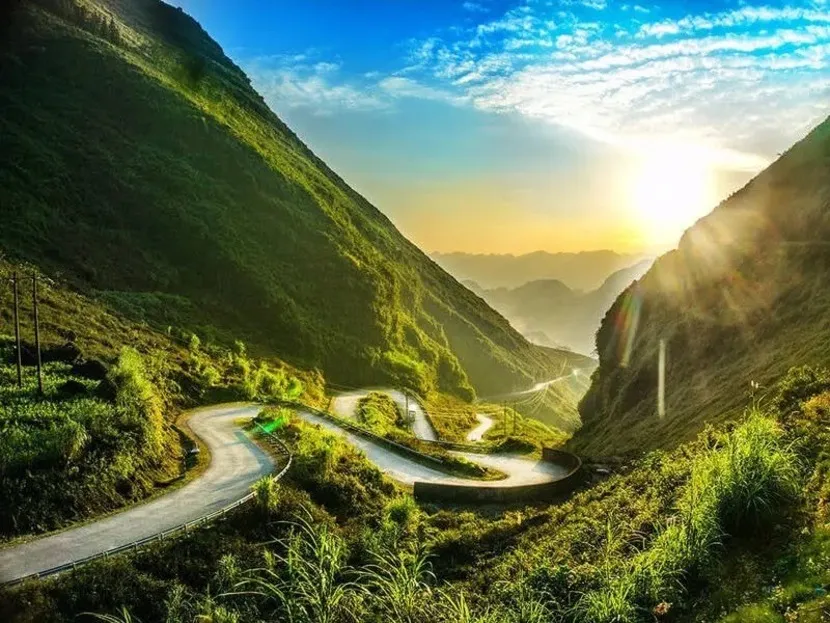
The name Ma Pi Leng, meaning “Horse’s Nose” in the H’Mong language, perfectly describes the pass’s sheer cliffs and near-vertical drops. Riding through it feels like balancing on the edge of the sky. The road twists sharply along towering limestone walls, each turn revealing a view more dramatic than the last.
From the highest points, the Nho Que River appears far below, thin, glassy, and emerald-green, snaking silently between deep gorges. Surrounded by massive mountains and endless horizons, you can’t help but feel small, humbled, and deeply connected to nature. Ma Pi Leng isn’t just a road. It’s an experience that stays with you long after the ride ends.
6. Du Gia Village
Tucked away among rolling mountains and terraced rice fields, Du Gia Village feels like a gentle pause after the dramatic roads of the Ha Giang Loop. Unlike the rugged passes and sharp cliffs elsewhere in Ha Giang, Du Gia welcomes travelers with softness green valleys, quiet streams, and a rhythm of life that hasn’t changed for generations.
The village is home mainly to Tay ethnic families, whose traditional stilt houses sit peacefully along the river and rice paddies. Mornings begin with mist drifting across the fields, the sound of roosters crowing, and locals heading out to farm. In the afternoons, children play barefoot by the water, and buffaloes rest lazily under the shade.

Du Gia is best experienced slowly. A walk through the village, a shared home-cooked meal, or a night in a local homestay reveals the heart of this place: simple hospitality, warm smiles, and genuine human connection. Nearby, Du Gia Waterfall offers a refreshing break, where travelers can swim or simply sit and enjoy the cool mountain air.
More than a destination, Du Gia is a feeling. It’s where conversations last longer, phones stay in pockets, and you’re reminded that the most memorable moments of the Ha Giang Loop often come from the quietest places.
7. The Palace of the Hmong King
Located in Sa Phin Commune, about 24 kilometers from Dong Van Town, the Palace of the Hmong King stands as one of the most distinctive architectural landmarks on the Ha Giang Plateau. Hidden among limestone mountains, this former residence reflects both the authority and refined taste of the Hmong royal family.
The entrance to the palace is reached by a gently sloping path paved with large square stone slabs, leading into a complex surrounded by two massive stone walls. These walls, measuring between 2.5 to 3 meters high and up to 1 meter thick, once served as a strong defensive system. The inner wall is noticeably more solid than the outer one, and both are designed with small openings that were used for observation and protection. Between the two walls lies a wide courtyard area, once planted and carefully maintained.
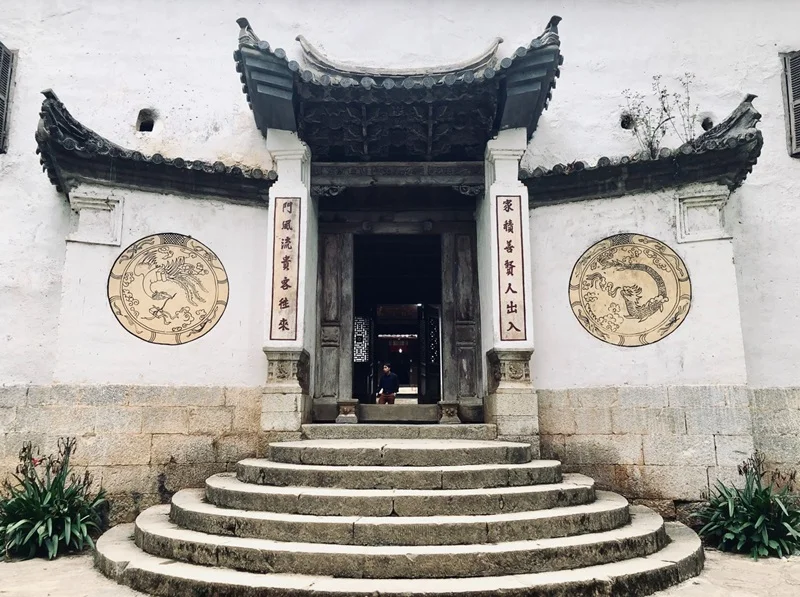
Inside, the palace consists of 10 wooden buildings arranged in a balanced layout: six facing one direction and four facing the opposite, with the main house positioned directly toward the entrance gate. Every structure was built using precious hardwood, from columns and beams to floors and walls, showcasing exceptional craftsmanship.
Blending Hmong, Chinese, and French architectural influences, the palace is not only a historical residence but also a symbol of power, wealth, and cultural fusion. Walking through its stone corridors and wooden halls, visitors can easily imagine the life of the Hmong aristocracy and gain deeper insight into the history of Ha Giang’s highland communities.
Why do so many guests say it’s worth every penny!
-07a331dc.png)
-007073a5.png)
Things not to do in Ha Giang

